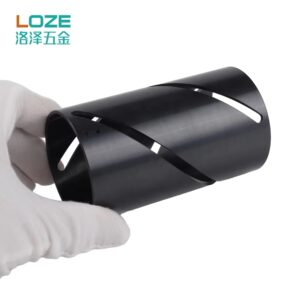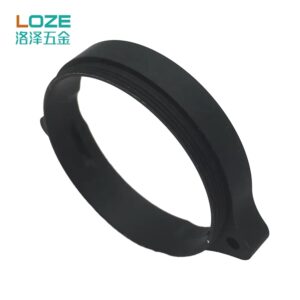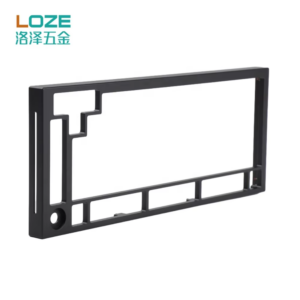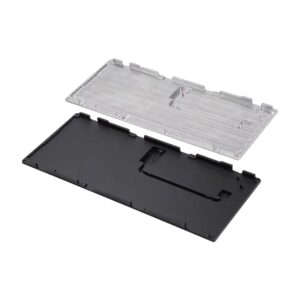
The semiconductor industry demands a level of precision and cleanliness that few other sectors can match. While metals are common, high-performance engineering plastics like POM (Acetal) and Nylon are essential for wafer handling tools, insulators, and robotic arm components due to their low friction and chemical resistance. However, machining these plastics presents unique challenges, primarily due to their high coefficient of thermal expansion.
At Loze Precision, we have developed a specialized workflow for Semiconductor Grade Plastic Machining. Unlike metals, plastics generate significant heat during cutting, which can cause the material to expand and result in out-of-tolerance dimensions once cooled. To counter this, we utilize Stress Relieving protocols. We perform a rough cut, allow the material to “rest” and stabilize, and then proceed with a high-speed finish pass using specialized, ultra-sharp tooling designed specifically for polymers.
Cleanliness is another critical factor. Semiconductor environments cannot tolerate residual oils or micro-shavings. Our post-processing includes multi-stage ultrasonic cleaning and inspection under high-magnification digital microscopes. We ensure that every POM pin or Nylon guide rail is delivered in vacuum-sealed packaging, ready for cleanroom assembly. By mastering the delicate balance of heat control and precision tooling, we provide plastic components that meet the ±0.005mm requirements of global semiconductor leaders.